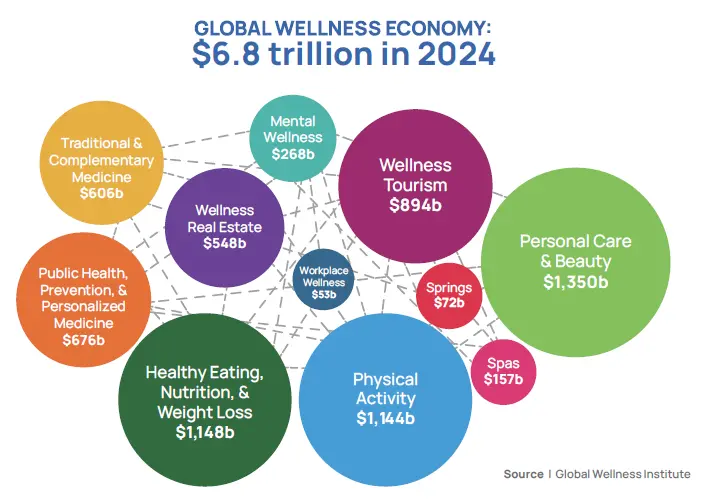
The global wellness economy has reached $6.3 trillion and is expected to hit $9 trillion by 2028 – nearly double its 2019 size. It’s one of the fastest-growing global markets, expanding significantly faster than the overall economy. Much of this growth is driven by a demand for accessible, easy-to-understand guidance on healthier living. In fact, 82% of consumers now define wellness as a top priority, which means spending has moved from a discretionary luxury to an essential part of the household budget.
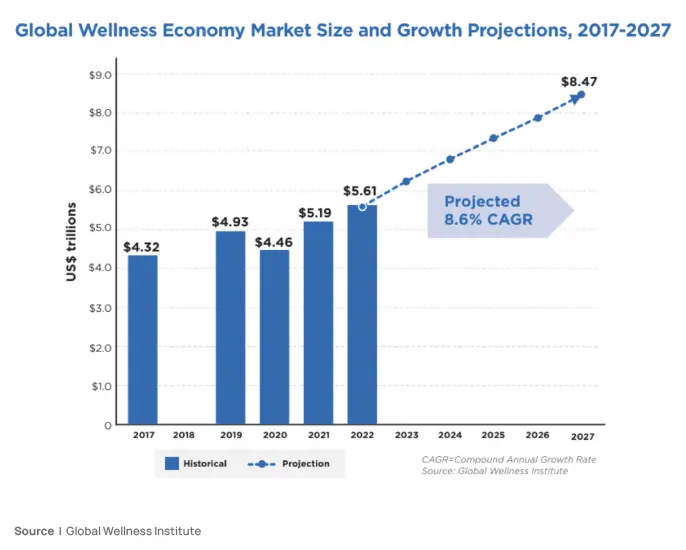
Table of Contents
Why health & wellness content has untapped potential
The wellness market’s rapid expansion signals a deeper mindset shift in how people define health. Consumers are no longer satisfied with occasional checkups or solutions that address their symptoms but not their actual health concerns. People are taking ownership of their wellbeing, seeking credible guidance that fits into their daily lives and aligns with their long-term goals.
That includes:
Preventative health consciousness: Consumers are moving from reactive treatment to proactive health management. They’re increasingly focused on longevity and maintaining a high quality of life as they age. Because of this, there’s a growing desire for education that helps prevent problems instead of just treating them after the fact.
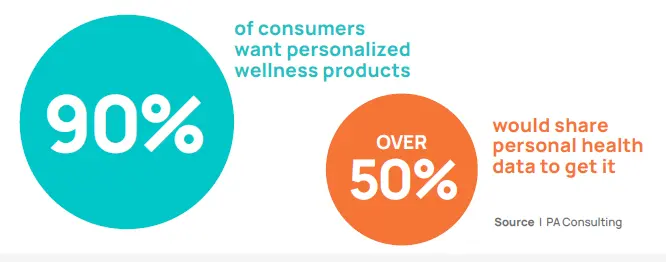
Data-driven tracking and personalization: A 2024 survey from PA Consulting found that 90% of consumers are interested in personalized wellness products, and over half are willing to share personal health data in exchange for better customization. People want recommendations that feel relevant to their needs, not generic, one-size-fits-all advice.
This intersection of prevention and personalization is reshaping how people seek information. The demand for accessible, evidence-based health and wellbeing content is growing faster than the healthcare system can deliver it, creating a clear opening for creators who can bridge that divide with empathy and expertise.
From engagement to revenue: content strategies for health & wellbeing creators
Content trends and financial data all point to creators filling the clinical information gap. Creators who build authority through lived experience and professional discipline are defining what trustworthy wellness education looks like.
Authenticity is the foundation of connection, but connection alone won’t sustain a business. The next challenge for established creators is to turn their influence and engagement into a reliable source of income.
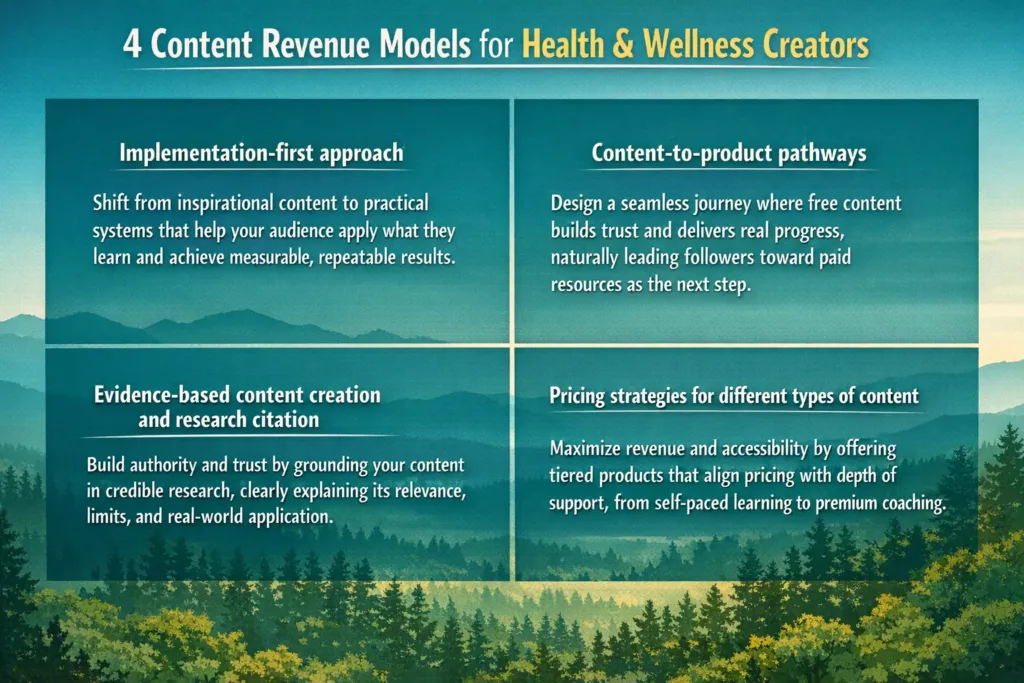
1) The implementation-first approach
New wellness creators often start by inspiring their audiences through motivational, storytelling, or mindset content. But lasting impact comes from helping your audience move from awareness to application. An implementation-first approach guides followers through systems that make results measurable and repeatable.
Creators who adopt this model position themselves as educators, not just influencers. The goal becomes helping followers achieve their desired transformation instead of just showcasing aspirational content.
Implementation-first creators turn their most useful frameworks into resources such as downloads, templates, and guided courses hosted through ThriveCart, allowing followers to first learn and then apply their new skills.
2) Content-to-product pathways
Once creators have created frameworks that turn education into implementation, the next step is designing pathways that connect free education with paid offerings.
Rather than treating your free and paid content as separate worlds, look at them as different stages in the same journey. For example, a short-form video about a shoulder workout can spark curiosity, while a downloadable guide walks followers through a week of workouts, and a paid membership provides them with an ongoing exercise routine.
This layered approach builds trust through consistent value. Followers experience real improvement before they ever make a purchase, which increases their long-term loyalty. It also keeps your free content valuable while subtly positioning your paid resources as the next logical step for those now-loyal followers.
3) Evidence-based content creation and research citation
Credentials alone don’t prove authority. Many successful wellness creators have no medical background, or have previous training with no relevance to their current niche. Today’s consumers want to know where information comes from, how it was verified, and why it matters. If you can do that, you’ve gained their trust.
To stand out as an evidence-based content creator:
- Cite peer-reviewed research, government data, and clinical guidelines from institutions such as the NIH, CDC, WHO, and leading universities.
- Explain how scientific nuance applies to individual experience.
- Clarify the scope of your expertise and the boundaries of your advice.
- Package your insights into repeatable, recognizable formats such as “Myth vs. Truth” posts that clarify misinformation, or a “One Small Change” series that translates science into action.
4) Pricing strategies for different types of content
Consumers understand that pricing reflects the value of your offer, and are more than willing to pay for products or services that help them achieve their desired results.
Research shows that successful course creators typically implement a three-tier pricing structure:
- Basic: Pre-recorded, self-paced content
- Standard: Core content + community access
- Premium: Core content + community access + individual coaching
Creators using ThriveCart’s one-click upsells, order bumps, and subscription tiers can increase average order value while keeping the checkout process simple. Subscription-based models, such as memberships or cohorts, create a predictable monthly income and foster long-term relationships with your audience.

This article is an extract from our full white paper, Building a Thriving Business in the $6.3 Trillion Health & Wellness Market. Download it today for a deeper dive into how creators can make money in this space.